INTRODUCTION Florida added $74 billion in new construction value last...
Read MoreRequest a Qualifier Match
Tell us what you need and we’ll connect you with a licensed sponsor fast
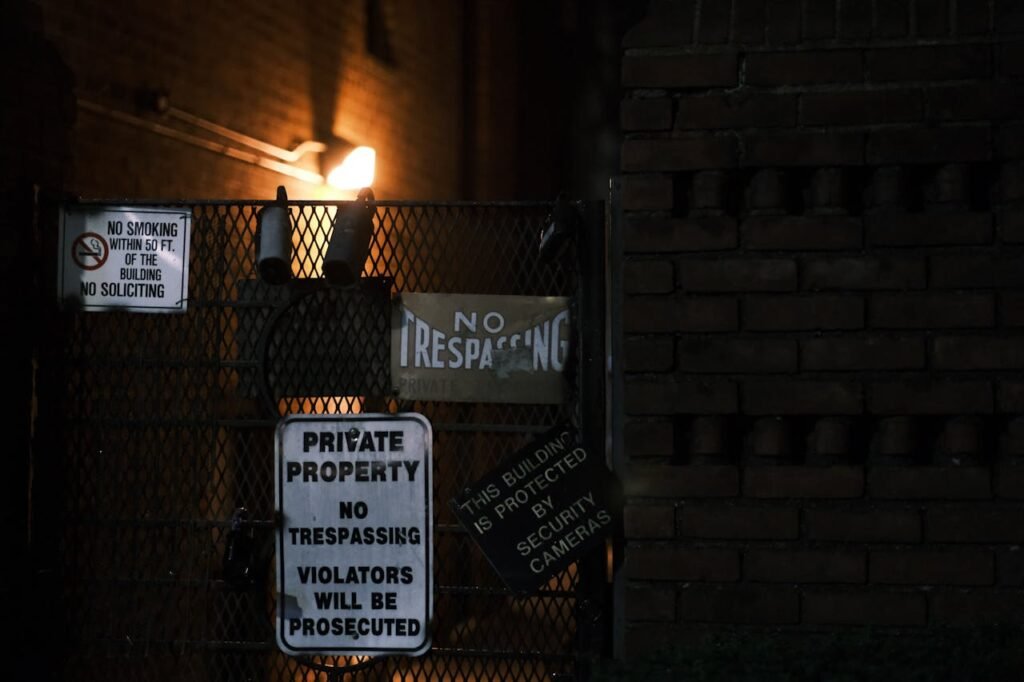
Stop-work orders. $1,000-per-day fines. Permanent license revocation. These are not hypotheticals — they are the documented consequences Florida contractors face when they operate without a properly licensed qualifying agent.


Thousands of Florida contractors and construction companies are dealing with these exact challenges right now. If you recognize your situation below, you need Florida Qualifier Connect — today.
Florida takes contractor licensing violations seriously — more seriously than almost any other state. Here’s what’s at stake when you don’t have the right qualifier in place:
When you need a Florida qualifier, every hour of delay is an hour you can’t pull permits, can’t start projects, and can’t generate revenue. That’s why Florida Qualifier Connect operates on one non-negotiable standard:
Not 2 weeks. Not 5 business days. 48 hours. Our pre-screened, ready-to-deploy network of Florida qualifying agents means you never have to wait for us to “search for someone.” The right professional is already in our system — we just need your project details to make the match.
Your competition is already licensed and pulling permits. Don’t let the clock run any longer.

| Comparison | Other Options | Florida Qualifier Connect |
|---|---|---|
| Searching on Your Own | ⚠ Average search time: 4–12 weeks with no guarantee of finding a compliant, available qualifier ⚠ No vetting process — you're trusting a stranger with your company's license ⚠ No legal agreement framework — your business is exposed to liability | ✔ 48-hour match, pre-vetted professionals, attorney-informed agreement structure |
| Job Boards & LinkedIn | ⚠ Qualifiers on general job boards are looking for employment, not licensing partnerships ⚠ No trade-specific filtering, no DBPR verification, no compliance screening | ✔ Every profile is trade-specific, DBPR-verified, and compliance-ready |
| Other Licensing Services | ⚠ Most licensing services file paperwork — they don't find you a qualifier ⚠ Generic national services don't know Florida's CILB board requirements or DBPR nuances | ✔ Florida-only expertise, active qualifier network, and end-to-end placement support |
From South Florida’s commercial boom to Central Florida’s residential surge and the Gulf Coast’s rapid expansion — Florida Qualifier Connect places qualified professionals in every active construction market across the state.
Operating across multiple Florida counties or cities? Our One-Company–One-Qualifier model supports multi-jurisdiction coverage while keeping your licensing structure clean and board-compliant.
Miami-Dade, Broward, Palm Beach — the tri-county construction corridor is one of the most active in the nation. DBPR enforcement here is aggressive. Our South Florida qualifier network is deep and ready.
Orlando, Osceola, Seminole, Polk — one of the fastest-growing residential markets in the United States. If you’re building here and you’re not properly qualified, you’re leaving permits — and money — on the table.
Tampa, St. Petersburg, Sarasota, Fort Myers, Naples — the Gulf Coast is experiencing record construction demand. Get your qualifier placed before demand pushes timelines out further.
Jacksonville, St. Augustine, Ponte Vedra — Florida’s fastest-growing metro outside of South Florida. New businesses are entering this market daily. Make sure yours is licensed before your competition beats you to the permits.
Florida Qualifier Connect is the professional network that connects you with vetted, reputable construction companies looking for qualified partners not random employers posting jobs. We protect your license, structure your engagement professionally, and ensure every placement is compliant with Florida law.
Tell us what you need and we’ll connect you with a licensed sponsor fast
Every permit you can’t pull is a contract you can’t fulfill. Every day you operate without proper licensing is a day your business is exposed to DBPR enforcement. Every week you delay is a week your competition gains ground in the Florida construction market.
Florida Qualifier Connect exists for one reason: to get your business licensed, compliant, and operational — fast. Our 48-hour match commitment, pre-screened qualifier network, and end-to-end DBPR support mean you have no reason to wait another day.

INTRODUCTION Florida added $74 billion in new construction value last...
Read MoreINTRODUCTION July 1, 2025 marks the finish line for Florida’s...
Read MoreWhat is the difference between a “Certified” and “Registered” license in Florida?
• Certified Licenses: These are issued by the Florida Department of Business & Professional Regulation (DBPR) and allow you to work anywhere in the state.
• Registered Licenses: These are limited to specific local jurisdictions (counties or cities) where you have a local competency card.
We primarily help companies secure Certified Qualifiers to ensure maximum operational flexibility.
In Florida, a qualifier is legally responsible for the financial and construction aspects of the business. However, a company can appoint a Financially Responsible Officer (FRO) to assume the financial liability, allowing the qualifier to focus solely on construction supervision. This is a common way to mitigate risk for the qualifying agent.
Florida does not have “direct” reciprocity where you just swap licenses. Instead, it offers Licensure by Endorsement or specific agreements with states like North Carolina, Louisiana, and Mississippi. Out-of-state contractors usually still need to pass the Florida Business and Finance exam and prove 5–10 years of active licensure.
Yes, but with strict limits. If a qualifier wants to represent an additional business and does not own at least 20% of the company, they must appear before the CILB for approval. We help prepare the necessary “Supervision Plan” to prove the qualifier can effectively manage both entities.
Florida law (FS 489.1195) requires qualifiers to exercise “direct supervision and control.” This includes:
• Checking job sites and field work.
• Reviewing and approving contracts and payments.
• Ensuring building codes are followed.
• Managing permit applications.
Florida requires a FICO score of 660 or higher for the qualifier. If the score is lower, the applicant must complete a board-approved 14-hour financial responsibility course and may be required to obtain a licensing bond to prove financial stability.
Under Florida law, the primary qualifier is jointly and equally responsible for all field work and financial matters. This is why we recommend attorney-drafted Qualifier Agreements that include strong indemnification clauses and require the company to name you as an “Additional Insured” on their General Liability policy.
If you resign as a qualifier, you must notify the DBPR within 60 days. The business then has a 60-day window to find a replacement before their license is officially cancelled.
Florida requires a licensed qualifier to make sure every contracting business has a responsible, state-approved professional who oversees all work performed under the company license.
A qualifier is legally accountable for:
Code compliance
Contracting activity
Permit execution
Financial responsibility
Consumer protection
The state wants one person on record who says:
“Yes — I am the professional in charge of what this company builds.”
This reduces fraud, protects homeowners, and keeps unlicensed operators from running ghost businesses.
The Department of Business & Professional Regulation (DBPR) is the state authority that regulates contractor licensing in Florida. Every construction company operating in Florida must have a licensed qualifier on record with DBPR to legally perform contracting work.
DBPR compliance ensures that:
a qualified professional is responsible for the company’s operations
licensed work follows Florida Building Code
consumers are protected from unlicensed contracting
project supervision and permitting follow state law
In Florida, any business performing regulated contracting work must have a licensed qualifier listed with DBPR. A qualifier is required across most major construction and trade categories, including:
General Contracting
Certified General Contractor (CGC)
Building Contractor
Residential Contractor
Structural & Exterior
Roofing Contractor
Specialty Structure Contractor
Sheet Metal Contractor
Mechanical & HVAC
Mechanical Contractor
Air-Conditioning Contractor (Class A / B / C)
Refrigeration Contractor
Plumbing & Utilities
Plumbing Contractor
Underground Utility & Excavation
Electrical & Low Voltage
Electrical Contractor
Alarm & Limited Energy Systems
Other regulated specialty trades
Marine & dock construction
Glass & glazing
Solar installation
Pool & spa contracting
Irrigation & landscaping (licensed categories)
If the work requires a state-issued contractor license, the business must operate under an active licensed qualifier to pull permits and supervise projects legally.
In most cases, companies can be matched with a licensed Florida qualifier in 24–48 hours, depending on trade type and eligibility. Final approval timing depends on your business structure and DBPR processing — some companies move forward immediately after agreements are signed, while others may require additional documentation or updates to state records.
Typical timelines:
Match with a qualifier: 24–48 hours
Agreement & onboarding: 1–3 business days
DBPR updates (if required): varies by case
We focus on matching companies with ready, active, and compliant qualifiers, which helps speed up approval and reduces risk of delays.
Florida requires a licensed qualifier to make sure every contracting business has a responsible, state-approved professional who oversees all work performed under the company license.
A qualifier is legally accountable for:
Code compliance
Contracting activity
Permit execution
Financial responsibility
Consumer protection
The state wants one person on record who says:
“Yes — I am the professional in charge of what this company builds.”
This reduces fraud, protects homeowners, and keeps unlicensed operators from running ghost businesses.
The Department of Business & Professional Regulation (DBPR) is the state authority that regulates contractor licensing in Florida. Every construction company operating in Florida must have a licensed qualifier on record with DBPR to legally perform contracting work.
DBPR compliance ensures that:
a qualified professional is responsible for the company’s operations
licensed work follows Florida Building Code
consumers are protected from unlicensed contracting
project supervision and permitting follow state law
In Florida, any business performing regulated contracting work must have a licensed qualifier listed with DBPR. A qualifier is required across most major construction and trade categories, including:
General Contracting
Certified General Contractor (CGC)
Building Contractor
Residential Contractor
Structural & Exterior
Roofing Contractor
Specialty Structure Contractor
Sheet Metal Contractor
Mechanical & HVAC
Mechanical Contractor
Air-Conditioning Contractor (Class A / B / C)
Refrigeration Contractor
Plumbing & Utilities
Plumbing Contractor
Underground Utility & Excavation
Electrical & Low Voltage
Electrical Contractor
Alarm & Limited Energy Systems
Other regulated specialty trades
Marine & dock construction
Glass & glazing
Solar installation
Pool & spa contracting
Irrigation & landscaping (licensed categories)
If the work requires a state-issued contractor license, the business must operate under an active licensed qualifier to pull permits and supervise projects legally.
In most cases, companies can be matched with a licensed Florida qualifier in 24–48 hours, depending on trade type and eligibility. Final approval timing depends on your business structure and DBPR processing — some companies move forward immediately after agreements are signed, while others may require additional documentation or updates to state records.
Typical timelines:
Match with a qualifier: 24–48 hours
Agreement & onboarding: 1–3 business days
DBPR updates (if required): varies by case
We focus on matching companies with ready, active, and compliant qualifiers, which helps speed up approval and reduces risk of delays.